
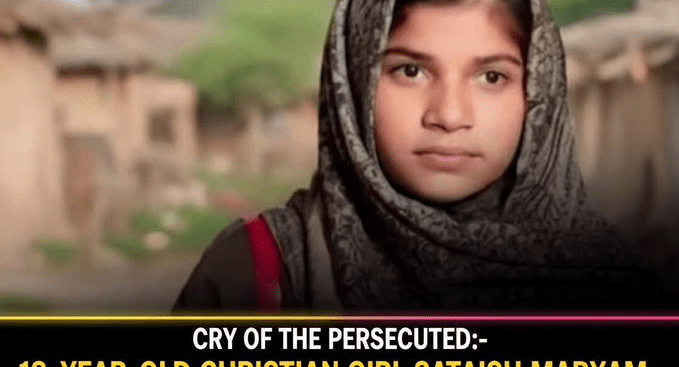
In a small village of Chak No. 47/12-L in Tehsil Chichawatni, District Sahiwal, a family already living on the edge of hardship says their world has been torn apart in the most frightening way imaginable.
A 13-year-old Christian girl — a sixth-grade student — was allegedly abducted and then forced into two life-altering decisions no child can consent to: a coerced religious conversion and a forced marriage. Her parents describe themselves as powerless and vulnerable. The mother is disabled after a leg fracture. The father is physically impaired and earns a fragile living selling eggs, doing what he can to keep the household afloat. In a home where every rupee matters and every day is already a struggle, the child’s disappearance has become a nightmare that doesn’t end when morning comes.
According to local reports shared by the family and community members, the alleged abductor is Ali Haider, son of Gulzar, reportedly from the Muslim Jatt community. After the abduction, the girl was allegedly compelled to convert to Islam and then pressured into a marriage with the same man accused of taking her. If true, this is not only a personal tragedy — it is an assault on childhood itself: the right to safety, the right to education, the right to freely practice faith, and the right to grow up before being pushed into adulthood.
Community representatives have condemned the incident in strong terms, calling it a grave violation of human rights and especially the rights of children. They warn that the family is living under intense fear and intimidation, and they urge urgent intervention to rescue the child. Their message is simple but heavy with pain: when a child is taken, and everyone stays quiet, the danger spreads. Silence becomes permission, and other daughters become targets.
Days have reportedly passed without meaningful progress in recovering the girl. Meanwhile, the family says they have faced repeated threats — warnings meant to break their courage and stop them from pursuing legal action. It is a cruelty layered on cruelty: first, the child is taken, then the parents are told to accept it or face harm. For families already struggling with disability and poverty, fear can become a cage.
This case has once again ignited serious concerns about the safety of children and the protection of religious minorities in Pakistan, particularly for Christian girls from economically vulnerable households. Advocates say forced conversion for marriage thrives where power is unequal, where communities feel isolated, and where perpetrators believe they can act without consequence. They also argue that the true test of justice is not in statements, but in outcomes: the safe recovery of the child, the protection of the family, and accountability for anyone involved in kidnapping, coercion, or child marriage.
The demand now is urgent and clear: rescue the child immediately, ensure her safety and well-being, safeguard the family from threats, and pursue a transparent legal process that treats this as what it is — an alleged crime against a minor, not a “private matter” to be buried under pressure and fear.
Because at the center of all this is not a headline, not a debate, not a statistic — but a 13-year-old girl who should be in school, at home, and safe.