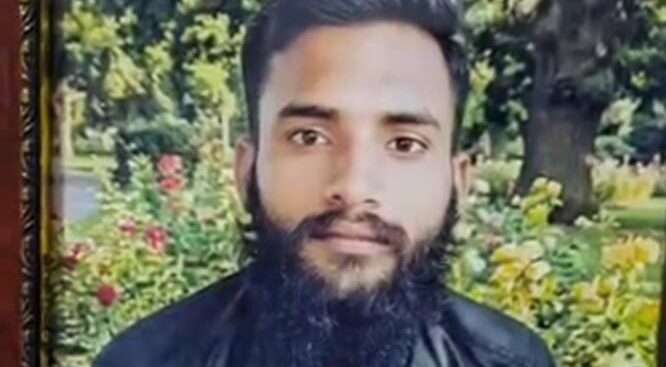
In Muridke, a young life has been cut short under circumstances that have left a grieving family shattered and a community shaken. Premi Masih, just 22 years old, did not simply die in an act of violence—his death is being mourned as the tragic culmination of fear, intimidation, and alleged injustice that his family says they endured for months.
According to his relatives, the ordeal began with exploitation. One of Premi’s brothers had been working for a local landlord under conditions the family describes as bonded labour—long, exhausting hours with little more than food in return. When he finally refused to continue under those conditions, the family says the price of that decision was set at Rs. 170,000—a sum they could not afford.
What followed, they allege, was not just a dispute, but a campaign of fear.
The family recounts repeated visits by groups of men who allegedly threatened them, fired gunshots at their home, and sought to break their resistance through intimidation. The terror was not limited to physical threats. Women in the household, they say, were subjected to degrading and deeply traumatic abuse, threatened with public humiliation, and targeted with slurs that cut at the core of their faith and dignity.
For a family already living on the margins, these threats were not abstract—they were constant, suffocating, and real.
Despite reaching out to the police, the family claims their pleas for protection went unanswered. Each passing day, they say, brought a growing sense that they had been left alone to face escalating danger.
Then came the violence they had feared.
According to their account, the same group returned, this time with deadly intent. Gunfire rang out, and Premi Masih was struck. He was rushed to Lahore’s Meo Hospital, where doctors fought to save him. Hours later, he succumbed to his injuries.
A son, a brother, a young man with a future—gone.
Now, his family mourns not only his loss but the circumstances they believe led to it. They are calling for justice—not as a formality, but as a necessity. They are asking for answers, for accountability, and for protection from further harm as fear continues to shadow their lives.
This tragedy has once again cast a harsh light on the vulnerabilities faced by religious minorities in Pakistan. For many, Premi Masih’s death is not an isolated incident but part of a broader pattern—where discrimination, economic exploitation, and insecurity intersect, often leaving the most marginalized without meaningful protection.
Advocates and community voices are urging authorities to act with urgency and integrity: to investigate transparently, to hold perpetrators accountable, and to ensure that no family is left to endure such fear in silence.
Because justice, if it is to mean anything at all, must reach those who need it most.
At the time of writing, there has been no official public response addressing the family’s allegations. Yet for those left behind, the questions remain painfully alive—and so does the demand for justice.