
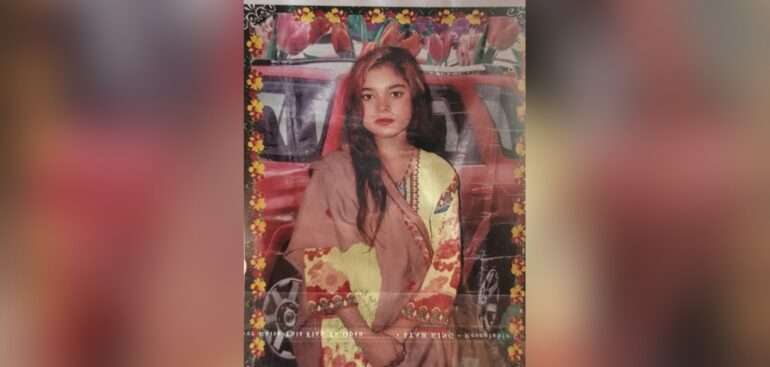
A 16-year-old Christian girl, Samina Allah Ditta was allegedly abducted, converted to Islam and forced into marriage in Punjab, Pakistan. Her parents say she left home to buy milk and never returned. They later received a marriage certificate that recorded her age as 20.
A child disappeared. A document declared her an adult. Her family now faces a legal battle it says it cannot afford.
The allegations demand more than sympathy. They demand an urgent investigation into who took her, whether she consented freely or she forced to give consent.
The girl reportedly disappeared from a brick-kiln community on 2 October 2026. When she failed to return from a nearby shop, her worried mother contacted her father, who began searching.
The family says witnesses saw a Muslim man, Muni and his associates Amir and Zahoor taking her away in a white van.
Her father alleges that a kiln supervisor discouraged him from approaching police, threatened him and repeatedly promised to bring his daughter home. He waited, hoping those assurances would prove true.
Instead, he received a marriage certificate.
The parents say that their daughter is 16, despite the certificate reportedly recording her age as 20. They allege that someone deliberately changed her age to facilitate the marriage.
The family also reports that she underwent a religious conversion.
These claims require careful investigation, not automatic acceptance or dismissal. Investigators must establish her age, examine the documents and determine whether anyone used threats, deception or coercion.
The absence of readily available identity documents complicates the family’s case. It does not remove the authorities’ responsibility to investigate.
Most importantly, the girl must have an opportunity to speak safely and freely, away from anyone who might pressure her. Neither a marriage certificate nor competing claims can substitute for establishing what happened.
Police reportedly registered a complaint against the alleged abductor and two associates. Yet the parents say their daughter has not returned.
Registering a case begins a process; it does not establish that a missing girl is safe.
The family deserves clear answers about the investigation. Authorities must establish her whereabouts, assess her welfare and investigate the alleged abduction, conversion and forced marriage without allowing religious identity or poverty to influence their response.
The girl’s father works at a brick kiln. He says generations of his family have lived under debt, and he cannot afford the legal costs of seeking her return.
Her mother’s plea is painfully direct: “I want my daughter back.”
That appeal should not have to compete with the family’s need to earn food or repay loans. Legal protection means little if parents cannot reach it without donations.
The allegations remain unproven, and a fair investigation must establish responsibility. But uncertainty cannot justify inaction.
A girl’s safety hangs at the centre of this case—not a certificate, not a dispute over reputation, and not the convenience of those responsible for investigating. The authorities must act urgently, establish the facts and protect her rights.