
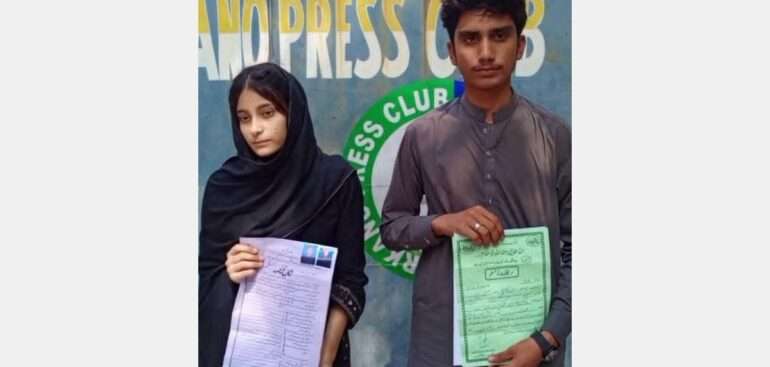
Fourteen-year-old Bindiya Kumari should be sitting in a classroom, not at the centre of allegations of abduction, forced conversion and child marriage. Her case puts Pakistan’s promises of minority protection against a painful reality: a family is pleading for help while lawmakers question why authorities have failed to act.
Minority representatives allege that Yasir Domki took Bindiya, a ninth-grade student, from Sibi in Balochistan to Sindh. They say her conversion and marriage took place through arrangements linked to Mian Abdul Haq, commonly known as Mian Mithu.
Authorities must establish the facts through a fair investigation. But fairness does not require silence, and an investigation should never become an excuse to leave a child without protection.
A State That Debates but Does Not Deliver
Bindiya’s case reached the Balochistan Assembly on October 19 and the Senate Minority Caucus on October 29. Lawmakers demanded her recovery, questioned police conduct and called for cooperation between Sindh and Balochistan.
Yet the reported delays expose a serious failure of government. Why should legislators need to repeatedly demand basic police action? Why must a child’s safety become a parliamentary campaign before officials treat it as urgent?
Senator Dinesh Kumar said authorities had received government-issued documents showing that Bindiya was fourteen. He also accused police of avoiding action against influential religious figures.
These allegations demand clear answers. If influence has blocked police work, Pakistan faces more than administrative weakness. It faces a direct challenge to equal justice.
A government cannot claim to protect minorities while leaving their families to struggle against people they believe the police fear.
Religion Cannot Excuse Harm to a Child
A court petition filed in the names of Yasir Domki and Bindiya, identified as Yasmeen, disputes the allegations. It states that she converted and married voluntarily and seeks protection against alleged threats from relatives.
The court must examine that account fairly. Authorities must protect both petitioners from violence.
However, claims of consent do not settle the questions about her age, possible pressure or the alleged child marriage. Police must verify her documents, investigate the circumstances and ensure she can speak safely without pressure from either side.
Pakistan’s authorities must not allow religious claims to replace a proper investigation. Nor should they treat influential figures as beyond questioning. Religious standing cannot place anyone above the law.
Minority Protection Requires More Than Promises
Rights activist Joseph Janssen has called for a special investigation team to recover missing minority girls. Other minority representatives have demanded stronger enforcement and accountability.
Their anger reflects the central concern: official concern means little when families still cannot secure timely protection.
Sindh Assembly member Mahesh Kumar Hasija questioned whether families must wait for intervention from senior party leaders before officials respond. That question exposes a damaging weakness. Citizens should receive protection as a right, not as a political favour.
Pakistan’s federal and provincial authorities must establish Bindiya’s safety, investigate the allegations and hold anyone responsible for a crime accountable. They must also investigate any police failures.
The test of Pakistan’s commitment to minority rights is not another speech or committee meeting. It is whether a vulnerable child receives protection when her family asks for help.