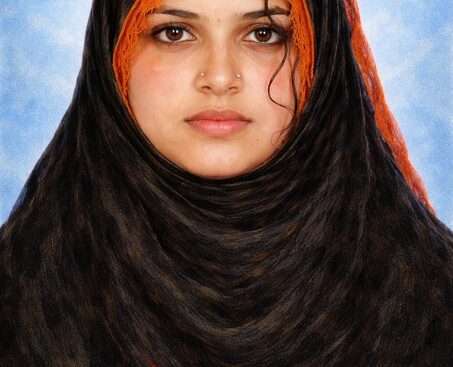
In the sweltering streets of Hyderabad, a mother’s worst nightmare unfolded, ripping apart the fragile world of a Hindu family. Pooja, a bright 9th-grade girl and beloved daughter of Ramsun Thakur, vanished without a trace—abducted, they say, by forces that prey on the powerless. Her parents’ hearts shatter as they recount the horror: their teenage daughter, barely old enough to dream of her future, kidnapped and thrust into a nightmare of forced conversion. Renamed “Dua Fatima,” she was coerced into marrying Imran Ali, son of Allah Wario, in a cruel ritual that stripped her identity and chained her to a life she never chose. The family’s anguish echoes through social media and minority rights circles, a desperate cry against the shadows that haunt Sindh’s Hindu girls.
Tears stream as Pooja’s parents paint a picture of manipulation and terror—their daughter lured away with money and jewelry, perhaps under threats that no child could withstand. “She was taken against her will,” they wail, begging authorities for mercy, for protection, for the safe return of their flesh and blood. Their fear is palpable, a suffocating dread that she might never escape the grip of coercion, her innocence forever lost to this barbaric practice. In Pakistan, forced conversions aren’t isolated tragedies; they’re a relentless plague, especially in Sindh, where Hindu families live in perpetual terror that their daughters will be snatched, brainwashed, and wedded off under the guise of “love” or faith.
These cases tear at the soul, mired in conflicting tales that mock justice—girls paraded in court claiming willing conversion, while broken families scream of abduction and duress. No official word yet from police or courts in Pooja’s plight, but the pattern is heartbreakingly familiar: authorities probe age and consent, yet the power imbalance tilts against the vulnerable. Human rights voices rise in fury, decrying how Sindh’s minority Hindus endure wave after wave of these abductions, with child marriages and forced faith changes flouting every law. Courts lean on the victim’s words, but how free is that voice when terror silences the truth?
Civil society roars for action—a transparent probe, ironclad safeguards, an end to this scourge that devours families and erodes lives. Pooja’s story isn’t just one girl’s tragedy; it’s Pakistan’s open wound, where forced conversions demand not whispers on social media, but thunderous reform to shield the innocent and heal the heartbroken.