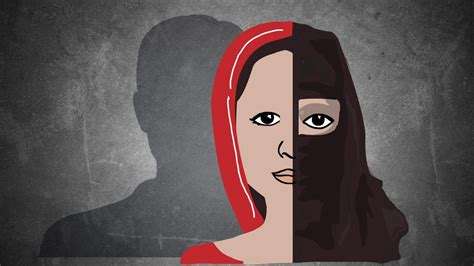
The voices of young girls rarely reach the world. They are often silenced behind closed doors, buried under fear, pressure, and power structures they cannot fight. Today, however, those voices echoed through a warning from UN experts—one that the world cannot afford to ignore.
Across parts of Pakistan, a deeply troubling pattern continues: young girls from minority communities are being abducted, forced to convert to another religion, and married against their will. These are not isolated incidents. They are part of a system that has quietly allowed such abuses to grow, unchecked and unpunished.
What makes this crisis even more heartbreaking is who it affects the most. These are not powerful individuals with influence or protection. They are girls—many between 14 and 18 years old, some even younger—belonging to already vulnerable minority communities. Most come from poor families, where survival itself is a daily struggle. For them, justice is not just delayed; it is often completely out of reach.
The numbers paint a grim picture. In 2025 alone, around 75 percent of the victims were Hindu girls, while 25 percent were Christian. Nearly 80 percent of these cases happened in Sindh province. But behind these statistics are real human stories—stories of daughters who never returned home, of families left searching, hoping, and grieving.
The issue is not just about forced conversion or child marriage. It is about power. It is about a system where being a girl, being poor, and belonging to a minority community can place you at the intersection of multiple layers of discrimination. It is about how easily justice can be denied when those in power choose silence over action.
UN experts have made it clear: religion must never be forced. Faith, by its very nature, is a personal choice. When it is imposed through fear or coercion, it loses all meaning. Similarly, marriage must be built on consent. But how can a child—someone who is legally and emotionally not mature—ever give real consent?
Yet, despite these basic principles, many of these cases are dismissed or ignored. Families who come forward often face indifference from authorities. Complaints are not taken seriously. Investigations are delayed or poorly conducted. In some cases, the age of the victim is not even properly verified, allowing perpetrators to escape accountability.
This is not just a problem of rules not being followed—it is a serious moral failure. When authorities keep ignoring forced marriages and forced conversions of young girls, it sends a message that their lives and rights don’t matter.
The damage is long-lasting. These girls often suffer trauma, abuse, fear, and rejection. Even after being rescued, many struggle to return to normal life because of stigma and lack of support.
Laws alone are not enough. They must be properly enforced. The minimum marriage age should be raised to 18 nationwide, and forced conversion should be treated as a serious crime.
But real change also needs better support—safe shelters, legal help, and counselling for recovery. More importantly, society must address the deeper causes like inequality, poverty, and discrimination.
This is not just one country’s issue—it is a human rights issue. Staying silent only allows it to continue.