
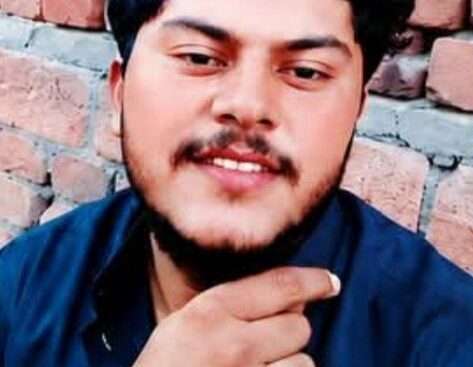
Pakistan’s Christian community is mourning the death of Shazib Masih, a young Christian who was reportedly shot and killed by an unidentified assailant in Islamabad.
The circumstances surrounding the killing remain unclear. Authorities have yet to identify the attacker or determine the motive behind the shooting, raising serious concerns about the safety of religious minorities in the capital. Shazib’s death has devastated his family and deepened fear among Christians who already feel vulnerable in Pakistan.
Human rights activists and organizations have called for a transparent and impartial investigation. They have urged the authorities to identify the attacker, establish the motive, and ensure that those responsible face justice.
“The life of every human being is precious. The repeated targeting of innocent Christians creates fear and insecurity within our communities. We call on the authorities to conduct a fair investigation and bring the perpetrators to justice,” human rights advocates said.
The killing has once again highlighted the continuing challenges faced by Pakistan’s Christian population. Christian communities have reported violence, discrimination, forced displacement, threats, and the misuse of laws against minorities for years. Many families fear that attacks may go unanswered and that justice may never be delivered.
Shazib’s death must not become another forgotten case. Every failure to investigate violence against minorities sends a painful message that some lives matter less than others. Such inaction denies justice to victims and their families while allowing fear and insecurity to spread throughout entire communities.
Christian groups and human rights organizations have appealed to the government to take meaningful steps to protect religious freedom and guarantee equal protection under the law. They have called for stronger security measures and accountability for perpetrators who target minorities, regardless of their identity or influence.
Human rights organizations continue to document cases involving violence, discrimination, and persecution against Christians in Pakistan. Their work focuses on justice, religious freedom, human rights reporting, public awareness, and advocacy for vulnerable Christian communities.
Shazib’s killing is not only a personal tragedy for his family; it is also a test of Pakistan’s commitment to equal citizenship. Authorities must act swiftly and transparently. Justice for Shazib Masih is essential—not only for those who loved him, but for every minority citizen who deserves to live without fear.