
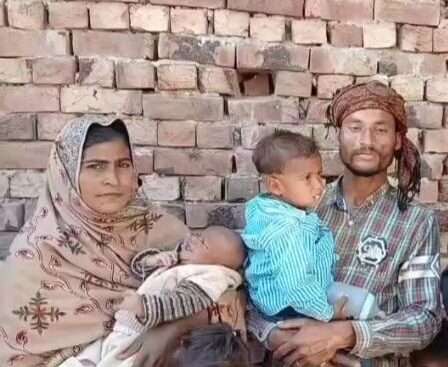
Amid the dusty lanes of a small village in Pakistan’s Kasur District, a cry for help has once again echoed—a cry from those who live unseen and unheard. A Christian bonded labor family, already burdened by poverty and illness, has reportedly faced brutal torture and death threats at the hands of their employer.
Shehbaz Masih, a father of four suffering from a serious respiratory disease, and his wife were beaten mercilessly by the owner of the brick kiln where they worked. Their only fault: missing a few days of labor because of illness. With chilling cruelty, their tormentor reportedly warned them, “Pay back the money—or die.”
For many Christian families in Pakistan’s brick kilns, this story is not an isolated tragedy—it’s a daily nightmare. Shackled by debt they can never repay, these workers live under a system that offers no mercy and no justice. They build the walls of other people’s homes while their own lives crumble under oppression.
Faith and poverty, in a society marred by discrimination, have made them easy targets. Violence, threats, and humiliation have become the language of control. Behind each blow lies a message: you are powerless, and no one will come for you.
Despite laws against bonded labor, enforcement remains weak. The victims, often poor and illiterate, are trapped in a web of silence, afraid to speak out, knowing that justice is rarely on their side. Many human rights advocates warn that unless urgent measures are taken, such brutality will remain an accepted norm.
This is not just about one man or one family in Kasur—it is about countless others living invisible lives, enduring pain that the world too often ignores. Their suffering demands not only sympathy but courage from those who hear their voices.
It is time for communities everywhere to stand against this cruelty—to pray, to speak, to act. Because no one should ever have to choose between survival and dignity, between faith and fear.